

“Death” vs. “D3ath”
Why are we censoring one of life’s inevitable realities?

If you’ve spent any time discussing death online, you’ve probably noticed a strange phenomenon: people replacing letters with numbers, using asterisks, or resorting to vague euphemisms just to get their posts seen. It’s not just a quirky internet trend but a direct response to the way social media platforms flag and suppress conversations about death, grief, and end-of-life matters.

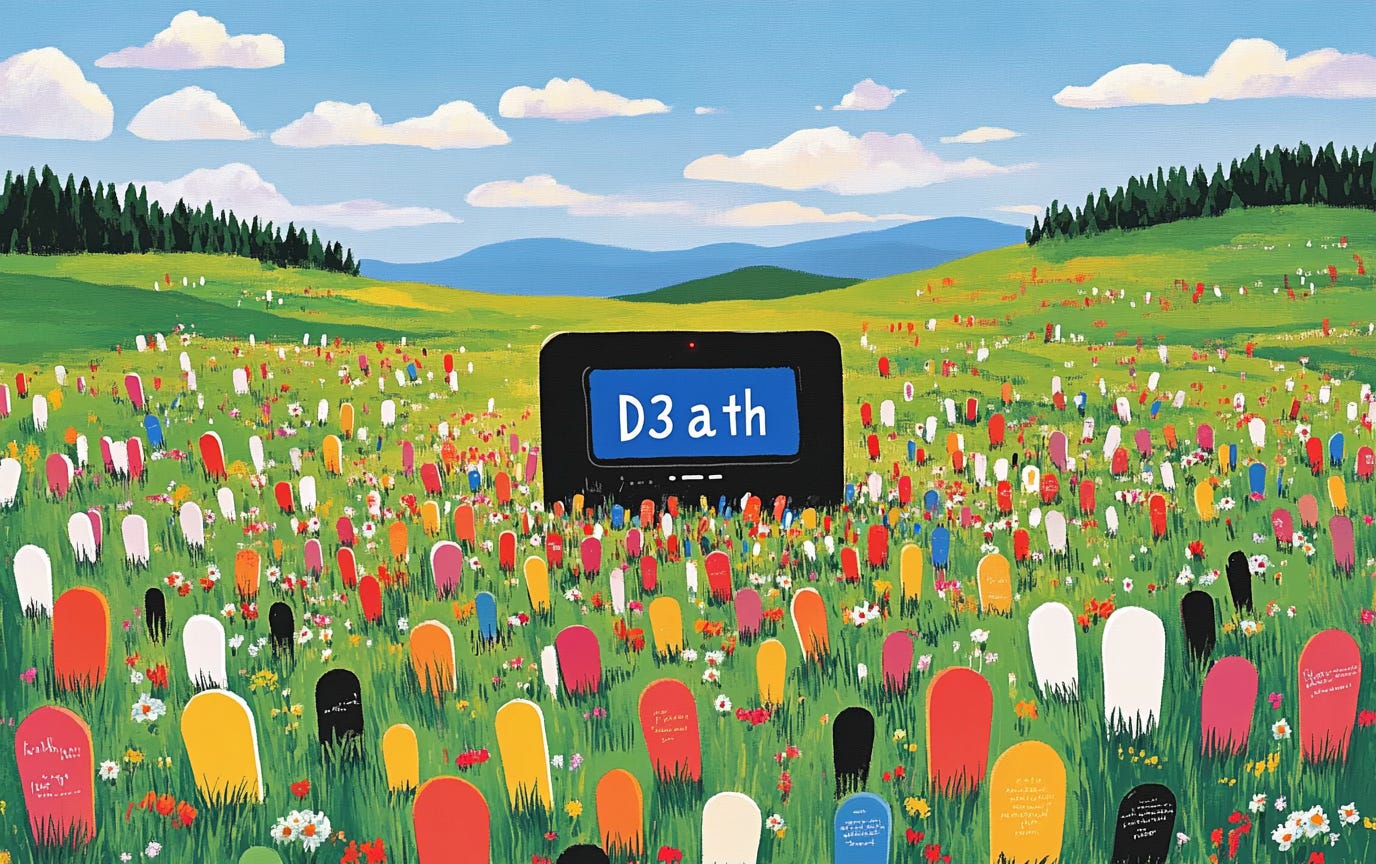
We see posts about loss getting shadowbanned, educational content on deathcare hidden, and meaningful discussions pushed out of view. People are forced to use workarounds like “d3ath” or “d*ath” just to talk about a fundamental part of life.
But why? Death isn’t inherently violent. It’s not obscene. It’s not harmful. It’s reality.
By censoring the word itself, we reinforce the cultural discomfort that keeps people unprepared for the inevitable. We push death further into the shadows, making it even harder to talk about grief, legacy, and the choices we all must face eventually. But this isn’t a black-or-white situation—death is complex. For many, it’s a deeply personal and painful subject, and in some cases, even discussing it can trigger distressing emotions.
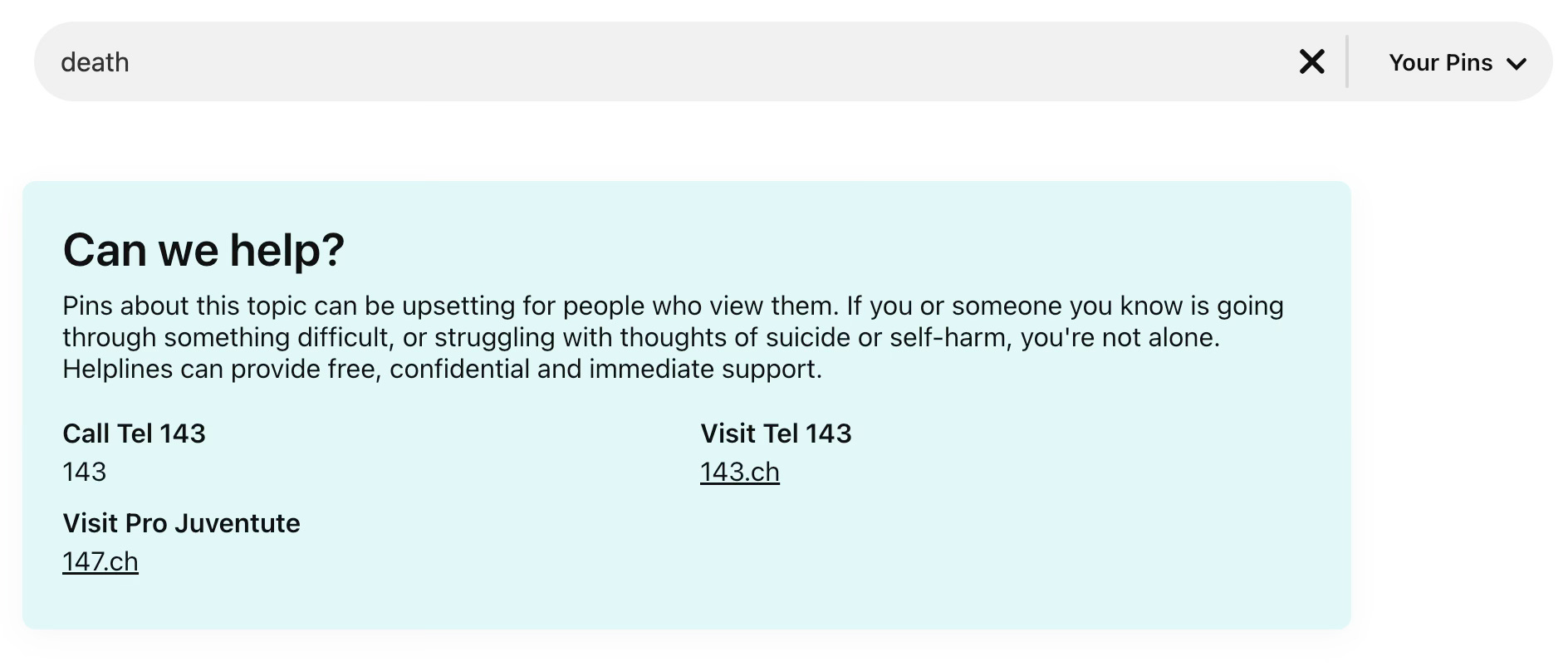
That’s why these conversations require care. Talking about death openly doesn’t mean ignoring its emotional weight—it means making space for discussions that are thoughtful, supportive, and responsible. Whether we’re exploring personal loss, rethinking end-of-life traditions, or navigating how digital spaces shape our experiences with grief, the goal isn’t to sensationalize death but to approach it with honesty and awareness.
So how do we push back against a system that labels death as taboo?
We keep talking about it. We advocate for change in digital spaces.
We make use of and we remind the world that silence doesn’t erase death—it only leaves us unprepared when it arrives.